New ‘Sutton Hoo Hopper’ Bus Service Bridges the Gap Between Woodbridge, Melton, and National Trust Sutton Hoo
A new seasonal shuttle service, the Sutton Hoo Hopper, is set to launch for the summer holidays, providing a vital link between local transport hubs and one of the UK’s most significant archaeological sites.
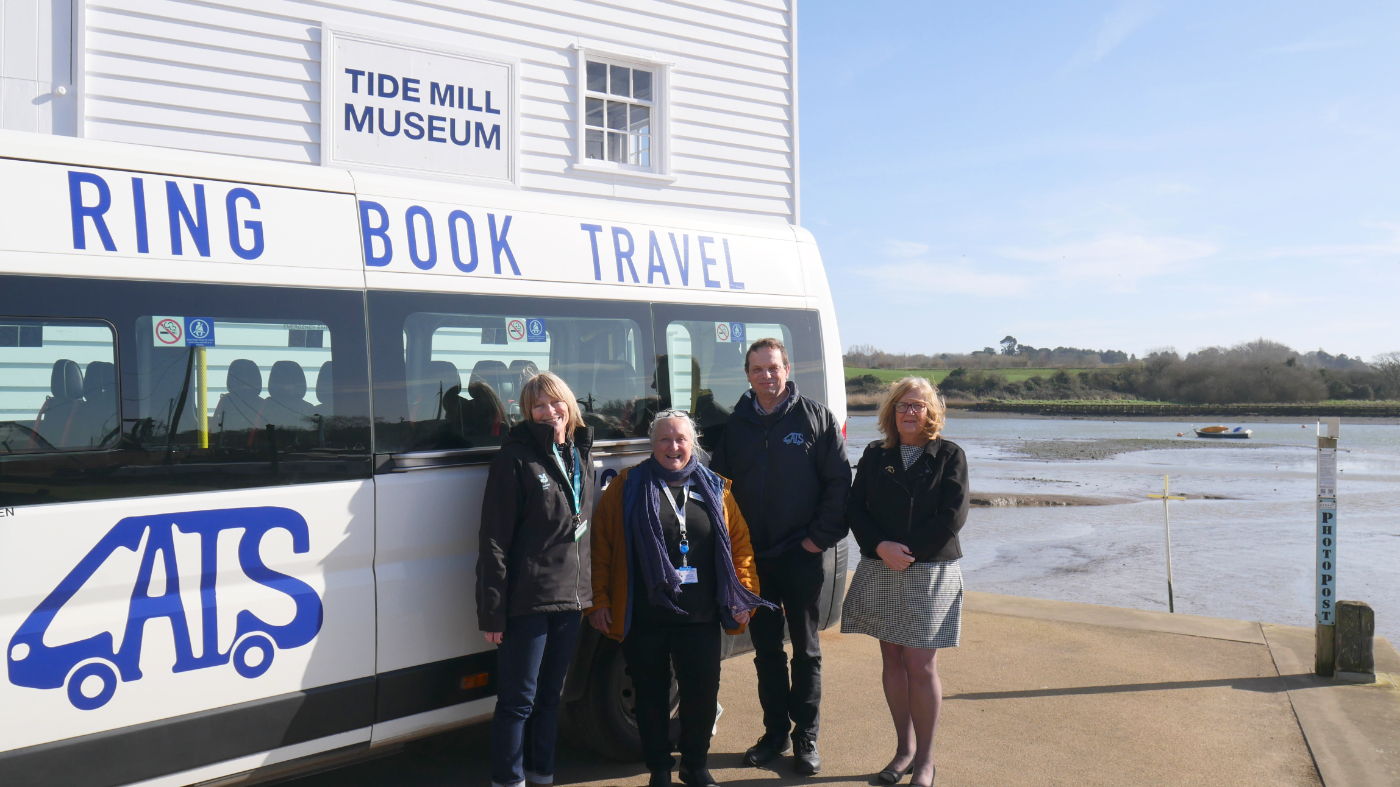
The hopper will be operated in partnership with Coastal Accessible Transport Service (CATS), Woodbridge Town Council and Melton Parish Council, Suffolk County Council, and the National Trust.
The pilot service aims to make the National Trust’s Sutton Hoo more accessible to tourists and residents alike, while promoting sustainable, car-free travel within the local area.
Connecting residents and visitors to history
The Hopper will follow a timetabled pick-up schedule, connecting rail passengers, bus users and local residents more easily with Sutton Hoo.
Key stops include:
- Woodbridge Train Station: Connecting Greater Anglia rail passengers to the site.
- Woodbridge Turban Centre: Providing easy access for locals and visitors as a prominent meeting point. With bus connections. This will also allow for passengers to access Woodbridge after visiting Sutton Hoo.
- Melton Train Station: Offering an additional pick-up point for those travelling from the north up to Lowestoft.
- Sutton Hoo: Dropping passengers directly at National Trust Sutton Hoo, as well as from the Sutton Hoo Campsite to explore Melton and Woodbridge.
A Greener Way to Explore
By linking two major transport points directly to the home of the Great Ship Burial, the Sutton Hoo Hopper reduces the need for car travel, easing congestion in Woodbridge and Melton, and will mean getting to Sutton Hoo is more accessible for those in wheelchairs and with mobility issues. It will also support local schools and groups to be able to get to Sutton Hoo.
Service Details
The service is hoping to start from the summer holidays to October this year, operating Monday to Saturday between 9:30am and 17:30pm. The service has been designed to align with arrival and departure train times where possible, ensuring a smooth transition for those arriving from London, Ipswich, or Lowestoft. It is the first phase of two plans to improve rural connections via public transport.